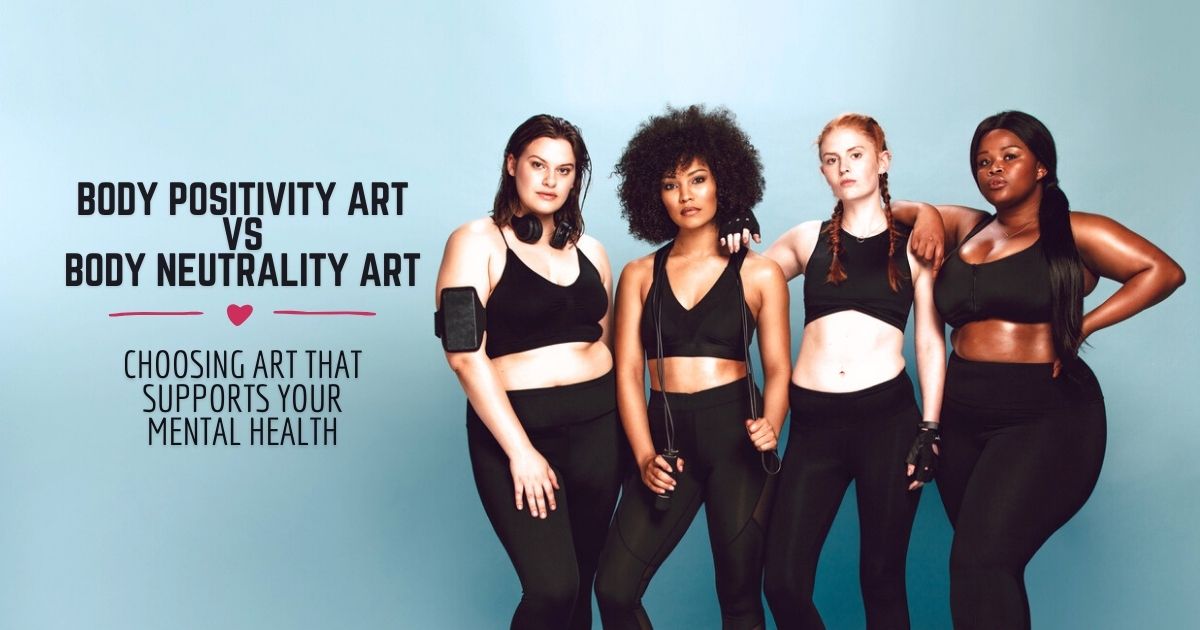

If you are searching for body positivity art, chances are you are not just decorating a wall. You are trying to feel better in your body. Or at least quieter about it.
Maybe affirmations sound nice but also feel fake.
Maybe body positivity content makes you feel like you are failing at self-love.
Maybe you want inclusive wall art but do not know what will actually help you on hard days.
This article exists to solve that problem.
Not by telling you which mindset is “better,” but by helping you understand what you need right now, and how the art you live with can support your emotional wellbeing instead of adding pressure.
Why the Art You See Every Day Affects How You Feel About Your Body
We underestimate how much our environment shapes our internal dialogue.
Research in environmental psychology shows that repeated visual exposure influences self-perception, mood, and emotional regulation. Unlike social media, wall art is passive and consistent. It does not scroll away. It does not demand performance. It quietly reinforces messages every time you enter a room.
That means the difference between body positivity art and body neutrality wall art is not just aesthetic. It is emotional.
The wrong message, even a well-intended one, can feel overwhelming.
The right message can feel grounding.
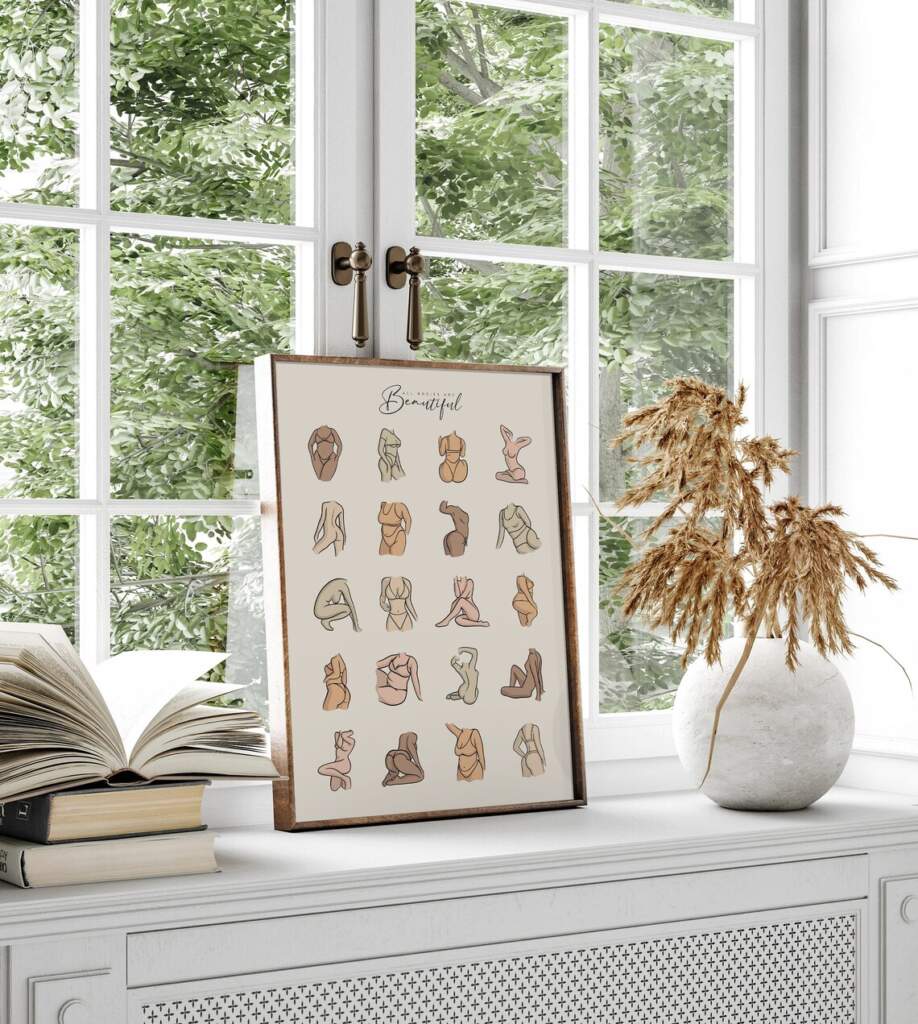
What Body Positivity Art Is Actually Designed to Do
Body positivity art comes from a long history of activism and representation. At its core, it challenges narrow beauty standards and affirms that all bodies deserve respect, care, and visibility.
In visual form, body positivity art often includes:
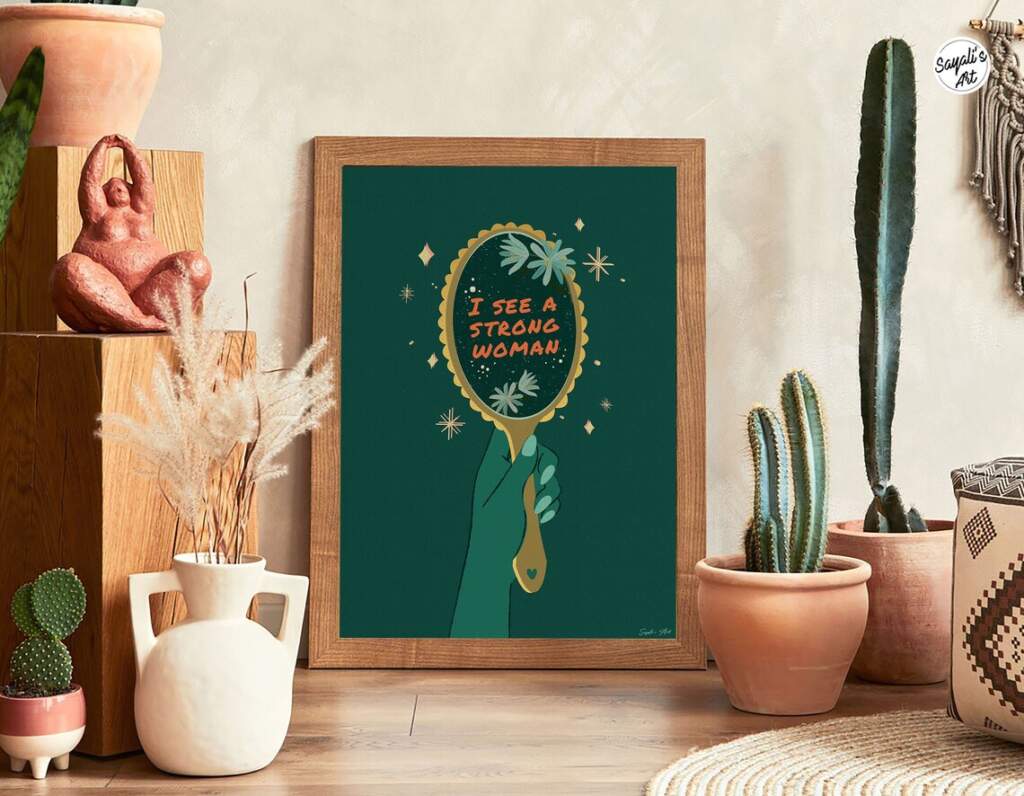
- Bold illustrations of diverse bodies
- Confident poses and expressive movement
- Bright colors or strong line work
- Affirmations that center worth and beauty
The goal is celebration.
For many people, especially those whose bodies are underrepresented or stigmatized, body positivity art can be deeply affirming. Seeing bodies like yours portrayed with joy and confidence can disrupt years of negative messaging.
Studies on body image suggest that exposure to diverse and affirming representations can improve body satisfaction and self-esteem, particularly when compared to idealized or narrow imagery.
When body positivity art works, it works because it says:
You are allowed to take up space. You are allowed to be seen.
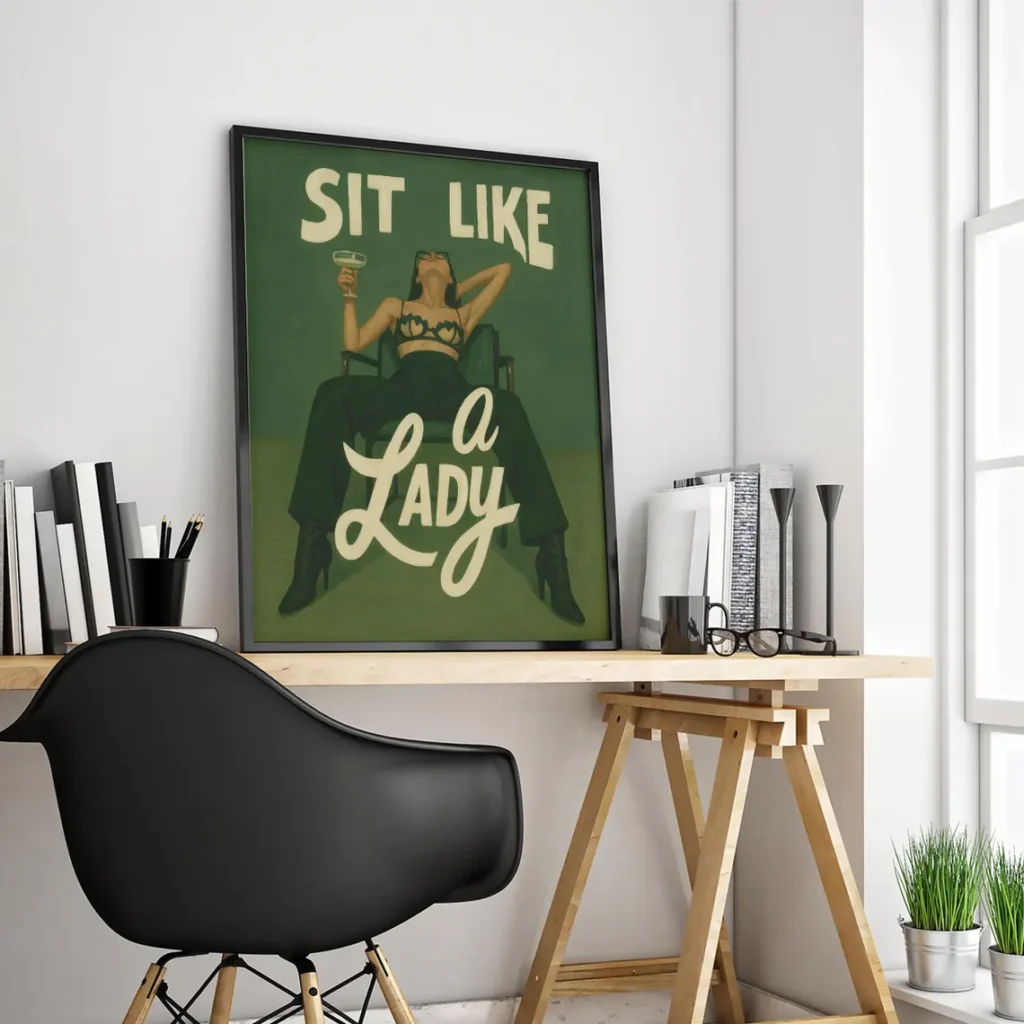
When Body Positivity Art Can Feel Like Too Much
Here is the part that often gets left out online.
Body positivity art can feel exhausting if you are already struggling.
If you are dealing with burnout, depression, body grief, chronic illness, or emotional numbness, being told to love your body can feel unrealistic. Sometimes affirmations feel like homework you did not ask for.
This does not mean body positivity is wrong.
It means your emotional capacity matters.
Mental health professionals increasingly acknowledge that forcing positive self-talk can backfire when it feels inauthentic. The nervous system does not respond well to pressure, even positive pressure.
That is where body neutrality comes in.
What Body Neutrality Wall Art Offers Instead
Body neutrality does not ask you to love your body.
It asks you to coexist with it.
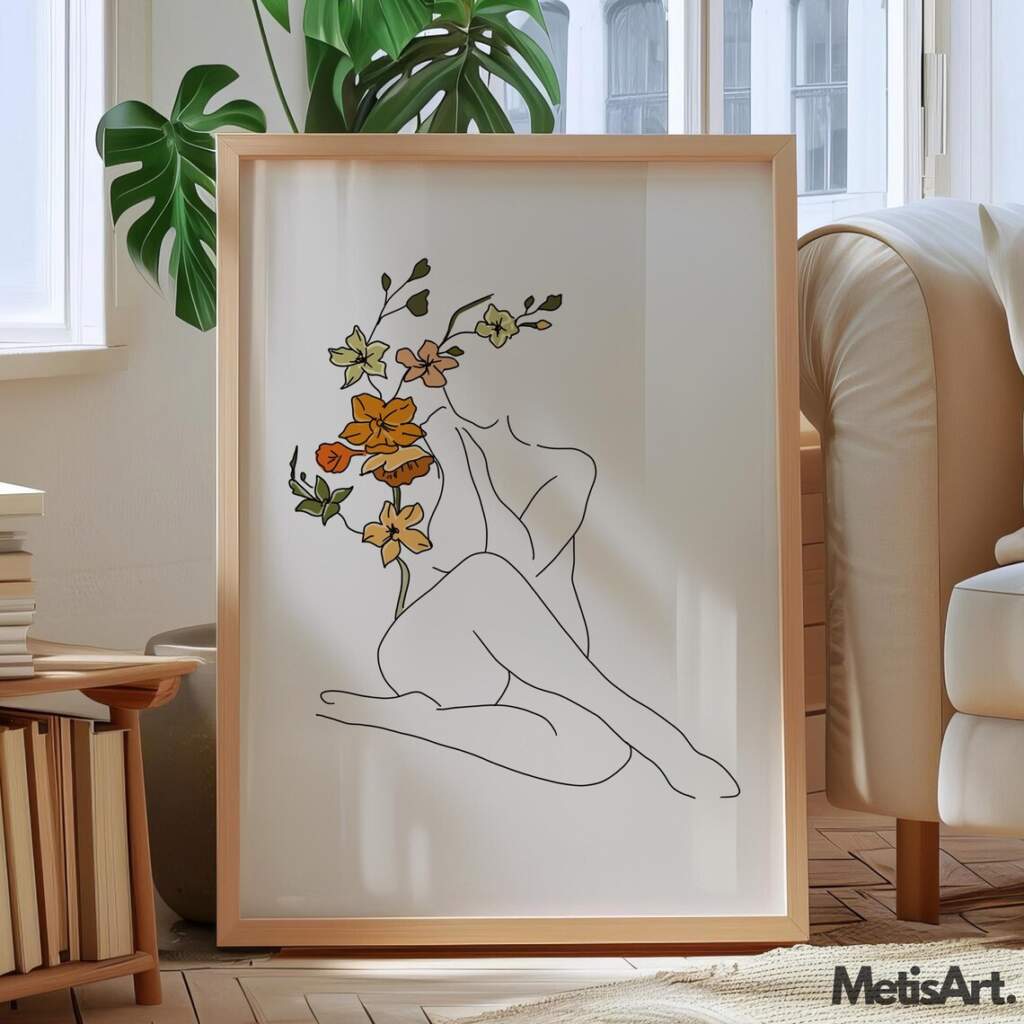
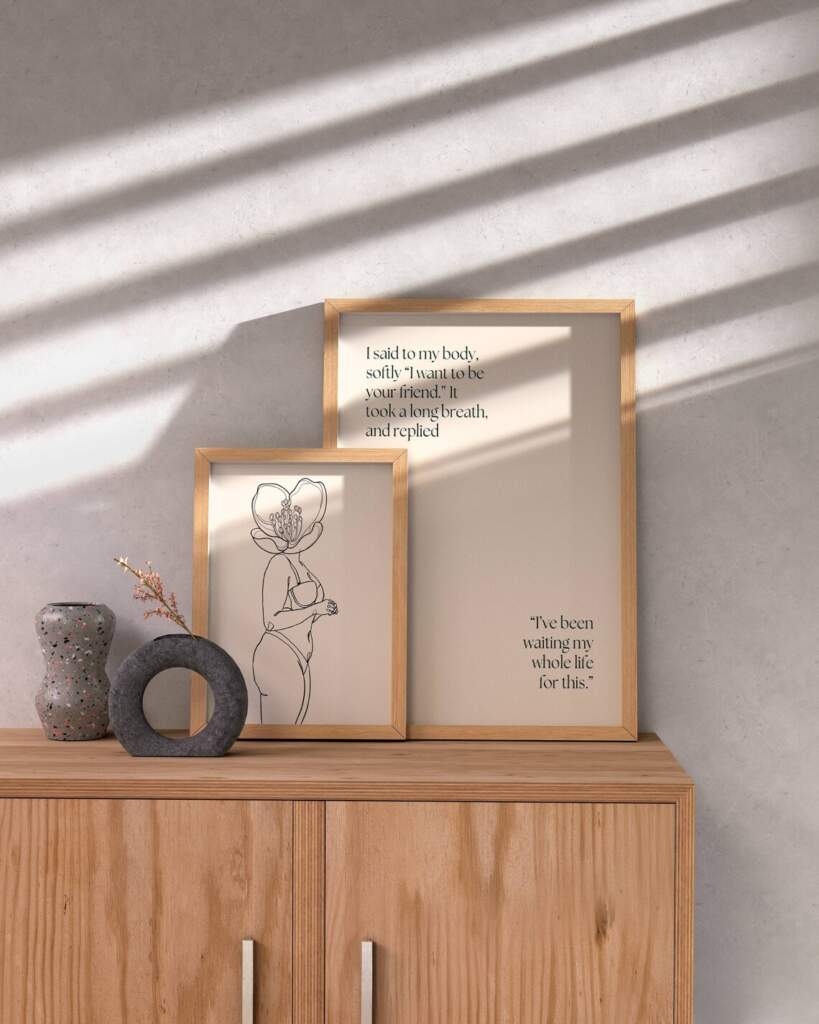
Body neutrality wall art focuses less on appearance and more on function, presence, and acceptance. It often uses softer visuals and language that does not demand an emotional reaction.
Common elements include:
- Minimalist or abstract figures
- Muted or calming color palettes
- Language focused on existence or function
- Art that feels quiet rather than declarative
Instead of “I love my body,” the message becomes:
“My body is allowed to exist.”
“My body carries me through the day.”
“My worth is not dependent on how I look.”
For many people, especially those healing from body shame or fatigue, this feels safer.
Body Positivity Art vs Body Neutrality Art Is Not a Competition
One of the biggest misconceptions online is that you have to choose a side.
You do not.
Body positivity art and body neutrality wall art serve different emotional needs. They are tools, not identities.
Ask yourself:
- Do I need encouragement or rest?
- Do I need celebration or relief from self-criticism?
- Do I want to feel energized or soothed?
Your answers may change over time. That is normal.
Some people use body positivity art as a long-term goal and body neutrality art as a bridge. Others move between the two depending on their season of life.
This flexibility is rarely discussed, and it is exactly where most people find real support.
How to Choose Body Positivity Art That Actually Helps You
If you are drawn to body positivity art, choose pieces that feel believable to you.
Helpful guidelines:
- Look for representation that feels authentic, not performative
- Avoid language that triggers guilt or comparison
- Choose visuals that feel grounding, not overwhelming
Body positivity art works best when it feels like an invitation, not a demand.
Placing it intentionally matters too. Many people find body positivity prints most helpful in spaces where confidence is needed, like dressing areas or creative workspaces.
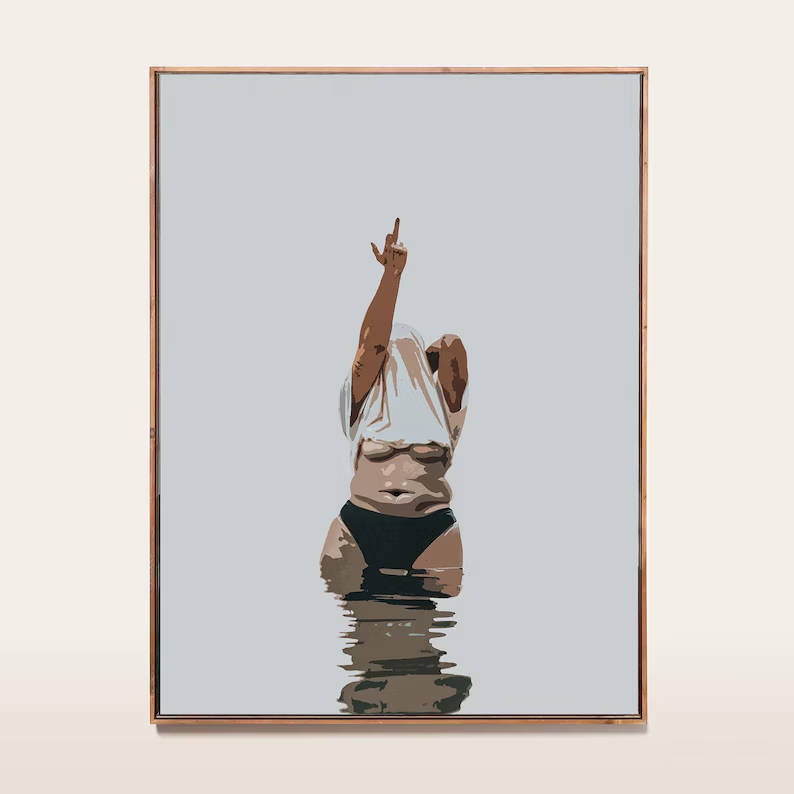
How to Use Body Neutrality Wall Art as Emotional Support
Body neutrality wall art works well in spaces meant for rest and regulation.
Bedrooms, reading corners, and quiet living areas are ideal places for neutral messaging. These prints act as visual anchors. They help reduce mental noise rather than add to it.
If you are in a season of emotional exhaustion, body neutrality art can help you rebuild trust with your body without forcing positivity.
That is not giving up.
That is listening.
Why This Choice Matters Culturally and Emotionally
For many people navigating marginalized identities, body image is not just personal. It is cultural.
Bodies have been policed, ranked, and erased through media, beauty standards, and systems of power. Art plays a role in countering that harm, but only when it is used intentionally.
Body positivity art can reclaim visibility.
Body neutrality wall art can provide relief from constant evaluation.
Both matter. Both belong.
What often gets overlooked is that healing is not linear. Your walls should not demand emotional performance. They should support your humanity.
Frequently Asked Questions
Is body neutrality anti body positivity?
No. Body neutrality is often a supportive step for people who feel overwhelmed by constant positivity. Many people move between both.
Can body positivity art improve body image?
Research suggests that exposure to diverse and affirming imagery can improve body satisfaction, especially when it counters narrow beauty standards.
Is it okay if affirmations do not work for me?
Yes. If affirmations feel stressful or inauthentic, neutral language may be more supportive. Emotional honesty matters more than forcing optimism.
Your Walls Are Part of Your Self-Talk
You are allowed to choose art that meets you where you are.
Body positivity art can be empowering.
Body neutrality wall art can be stabilizing.
Neither means you are healed. Neither means you are broken.
The real value is choosing visuals that support your nervous system, your emotional capacity, and your sense of self.
Your space should feel like it is on your side.